
How to Audit Your Monthly Subscriptions
A step-by-step process to identify all active subscriptions, from streaming services to telecom plans.
Every three months, take 30 minutes to review what you’re paying for. This simple routine catches price increases and unused services before they become a real problem.


Here’s the thing about subscriptions — they’re designed to be forgotten. Streaming services, productivity tools, cloud storage, premium apps. Each one costs a little. Nothing breaks the bank individually. But add them all up over three months and you’ve probably forgotten about half of them.
A quarterly review forces you to look at everything at once. You’re not trying to remember if you used that language app this month. You’re seeing the actual list. It’s concrete. And when you see Netflix, Disney+, Apple TV+, and two other services you don’t recognize all in one place, something clicks.
The timing matters too. Three months is long enough to identify genuinely unused services, but short enough that you haven’t lost money on something you’ll never touch again. You’re not reviewing every month (too frequent, not enough to change) and you’re not waiting a year (by then you’ve paid for something 12 times).

You don’t need special software. A spreadsheet and 30 minutes is all you’re working with here.
Go back three months. Check your credit card and bank statements for recurring charges. Look for anything labeled “subscription,” “monthly,” “renewal,” or company names you recognize. You’ll spot things you forgot about.
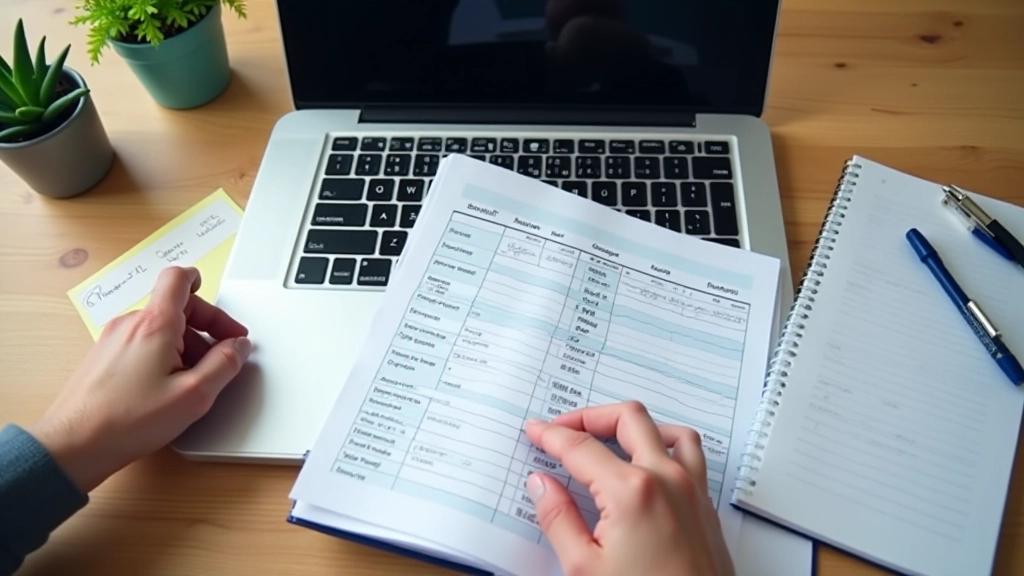
Create a simple spreadsheet: Service Name, Monthly Cost, Last Used, Keep/Cancel. Don’t overthink it. The goal is seeing the full picture, not creating a financial document. Just get it all in one place.
For each subscription, ask: Did I actually use this in the last month? Would I miss it? Be realistic. “I might use it someday” isn’t the same as using it. If you haven’t opened the app in 60+ days, it’s a candidate for cancellation.
Don’t delete the spreadsheet. Mark cancellations, note downgrades, and set a reminder for the next quarter. You’re building a habit here. The real savings come from consistency, not a one-time cleanup.

Let’s be honest about the math. The average person in Hong Kong has 7-9 active subscriptions. That’s probably between HK$400-700 per month if you’re not careful. A quarterly review typically cuts that by 20-30%.
You’re not cutting everything. You’re cutting the unused stuff. The service you meant to cancel three months ago. The premium tier you don’t actually need. The free trial that turned into a subscription. Those aren’t painful cuts. They’re things you didn’t even realize were charging you.
The compounding effect: A 20% reduction in monthly subscriptions saves you about HK$80-150 per month. Over a year, that’s HK$960-1,800 just from quarterly reviews. And if you do this every quarter, you’re not sliding back into old habits.
Building a quarterly review habit takes a little strategy.
Don’t wait until you remember. Set a recurring reminder for the first day of April, July, October, and January. You’ll get a notification. You’ll block 30 minutes. Done.
Some banks let you flag recurring transactions. This catches new subscriptions you forgot about before the next review. You’ll notice the charge sooner.
When you decide to cancel, you’ll need login info. A password manager makes this fast. You’re not spending 15 minutes resetting passwords to cancel services.
iOS and Android subscriptions hide in your settings. Check the Subscriptions section in your app store during the quarterly review. You’ll find forgotten purchases.

Some people do a subscription audit once and think they’re done. That’s not how it works.
The quarterly approach works because it’s sustainable. You’re not relying on motivation. You’re relying on a calendar reminder. That’s the difference between a one-time win and actual behavioral change.
You don’t need a complicated system. You don’t need special software. A spreadsheet, your bank statements, and 30 minutes. That’s genuinely all this takes.
The first review will probably uncover more waste than you expect. You’ll find services you forgot you were paying for. You’ll realize you’re paying for premium features you don’t use. That first cleanup feels good. But the real magic happens when you do it again in three months. Then again three months after that.
That’s when you realize you’re not fighting a constant uphill battle with your subscriptions anymore. You’re actually in control of your spending. And that changes things.
This article is for educational purposes only. It’s designed to help you understand subscription management practices and recurring payment tracking. The strategies described here are based on common budgeting approaches, but your specific situation may vary. We recommend reviewing your own financial circumstances and consulting with a financial advisor if you need personalized guidance. Subscription costs, terms, and availability change regularly in Hong Kong, so verify current information directly with service providers before making decisions.